
5 Must Have Tools That Make Life In The Multi-Cloud Environment Not Insane
Increasing number of companies find themselves in the multi-cloud environment. Some get there intentionally by building cloud agnostic applications. Others, more frequently, simply inherit environments that are dispersed across multiple cloud providers such as AWS, GCP and Azure.
Below is a list of tools that simplify deployment and management tasks in multi-cloud environments.
Docker and Kubernetes
A docker container is a standard unit of software that packages up code and all its dependencies so the application runs predictably from one computing environment to another. A Docker container image is a lightweight, standalone, executable package of software that includes everything needed to run an application: code, runtime, system tools, system libraries and settings. Tl;dr with docker we don’t have to depend on things like AWS AMIs.
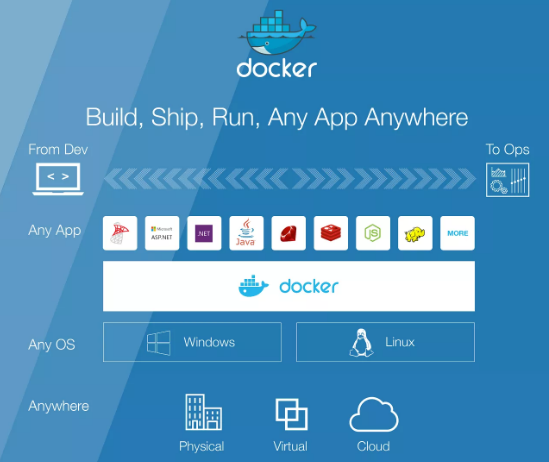
Using Kubernetes, we can deploy and scale docker containers without relying on cloud providers native auto-scaling functionality.
Hashicorp Terraform
Terraform is a tool for building, changing, and versioning infrastructure safely and efficiently. Terraform can manage existing and popular service providers as well as custom in-house solutions.
Configuration files describe to Terraform the components needed to run a single application or your entire datacenter. Terraform generates an execution plan describing what it will do to reach the desired state, and then executes it to build the described infrastructure. As the configuration changes, Terraform is able to determine what changed and create incremental execution plans which can be applied.

Cloudaware CMDB
Cloudaware CMDB automatically discovers all cloud and non cloud resources. It then groups resources into applications known as resource groups and displays spending, changes and security posture for each application.
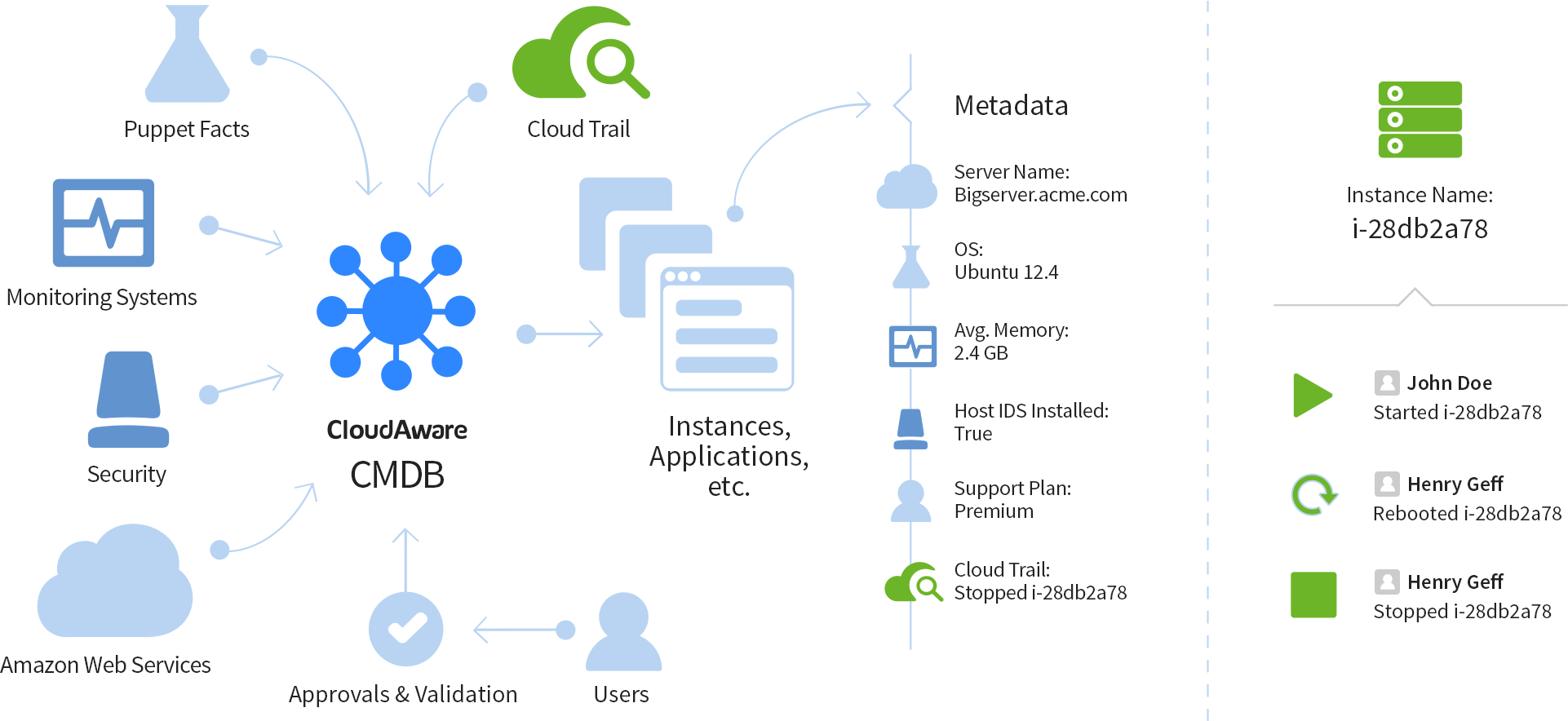
Cloudaware has advanced tag management capabilities across multiple cloud providers and regions. Its compliance engine has out of the box security policies and CIS Benchmarks for AWS, Azure and GCP. Similar to AWS Organizations, AWS Accounts, Azure Subscriptions and Google Projects can be grouped into Organizations and Organizational Units.
Okta For Developers
Logging into multiple accounts can easily become a nightmare in of itself. Okta has convenient templates to quick deploy SAML authentication not only with cloud providers but also tools like NewRelic, Cloudaware, JIRA, etc.

Using Okta for developers, DevOps and SecOps teams can quickly create low friction experiences for their users with features like single sign on, application request approvals and just in-time user provisioning not just for off the shelf services like NewRelic and AWS Management console but also in-house developed apps.
Juniper Contrail Enterprise Multi-Cloud
While there are lots of other good players in this segment, Juniper seems to be ahead of the curve when it comes to provisioning, securing and managing multi-cloud and inter-cloud connectivity. Cisco and Fortinet are not far behind and many companies will choose their existing preferred network vendor.
